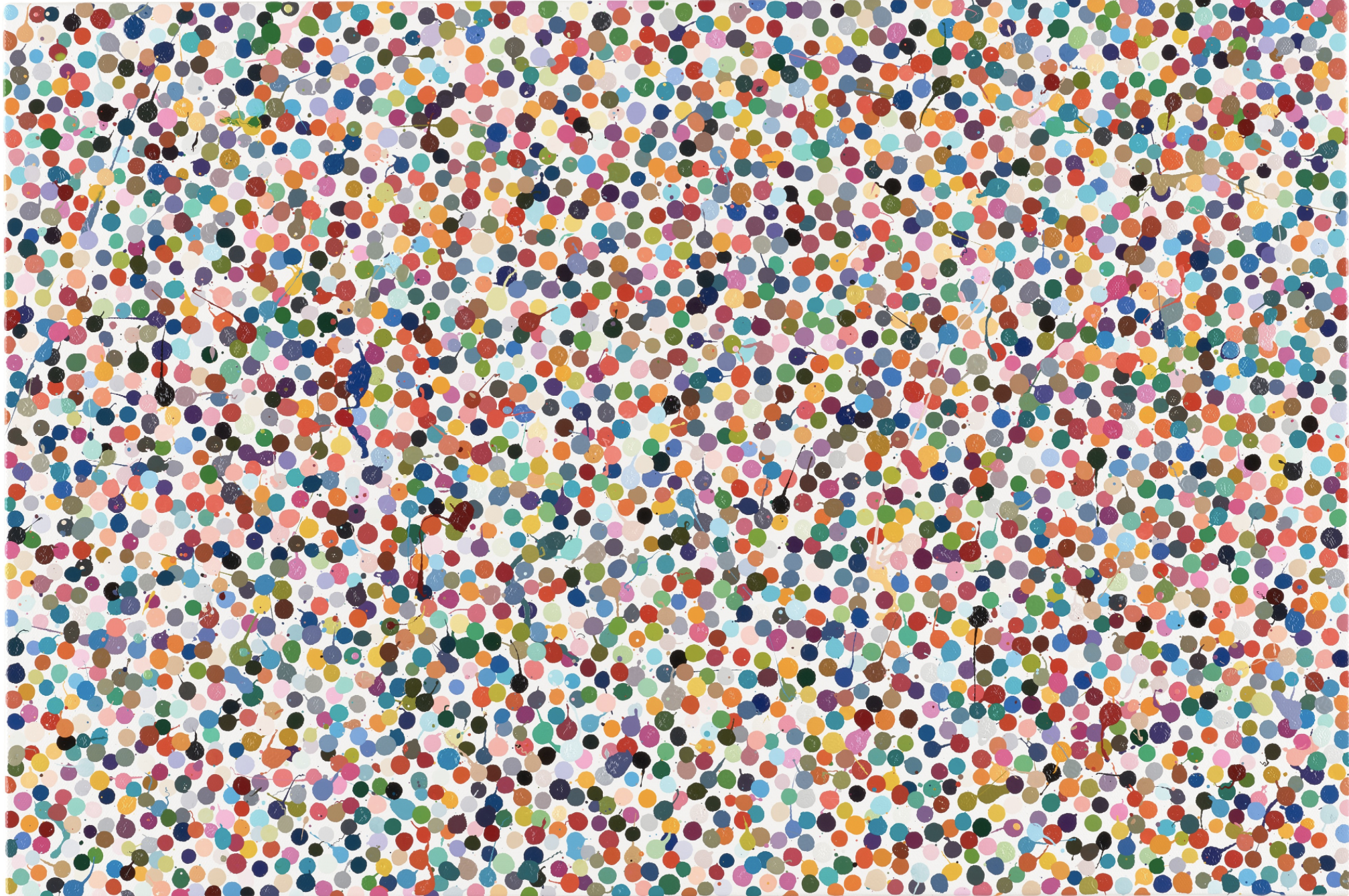
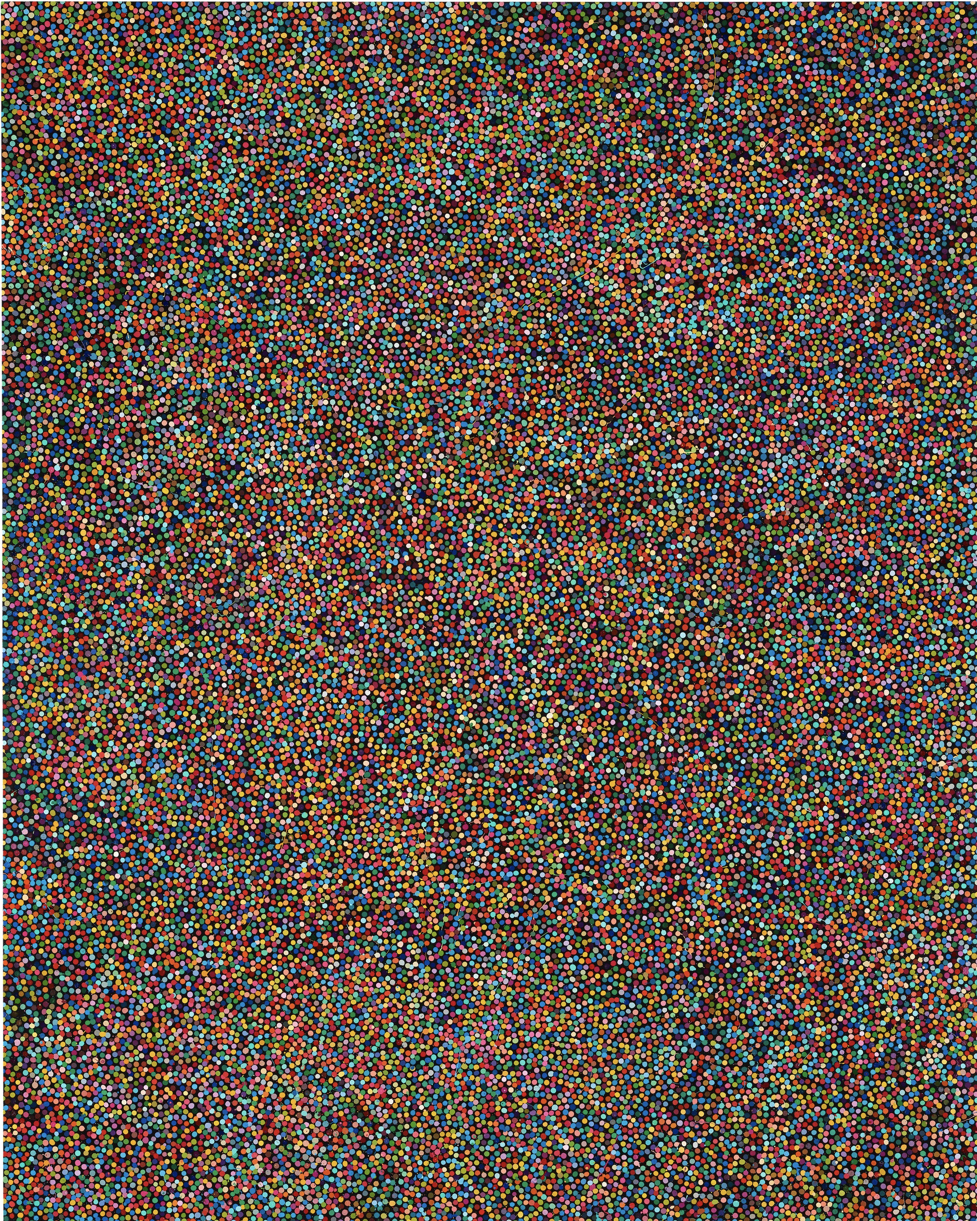
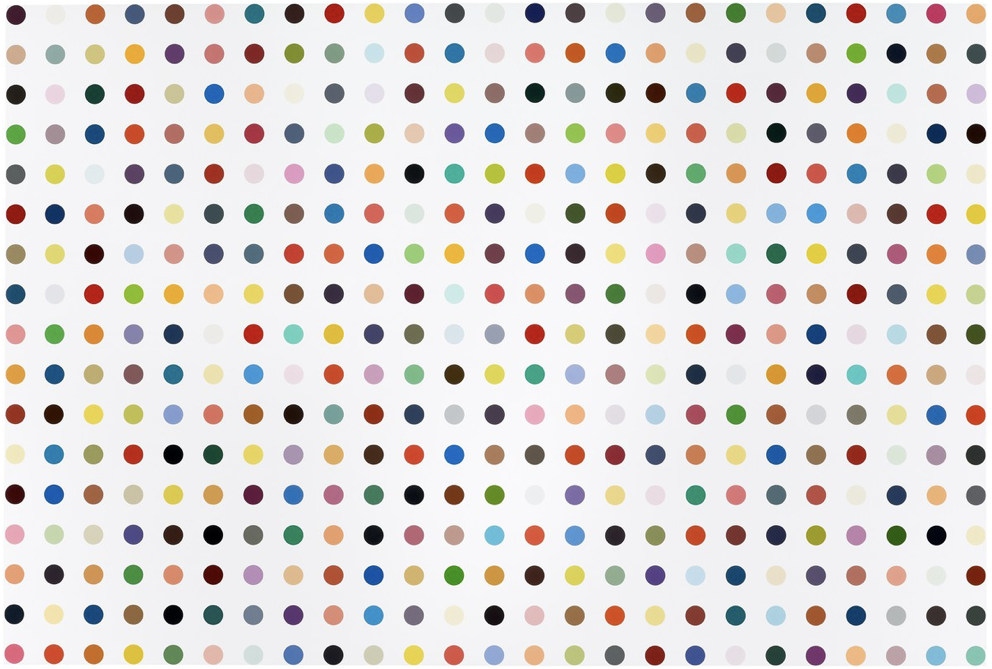
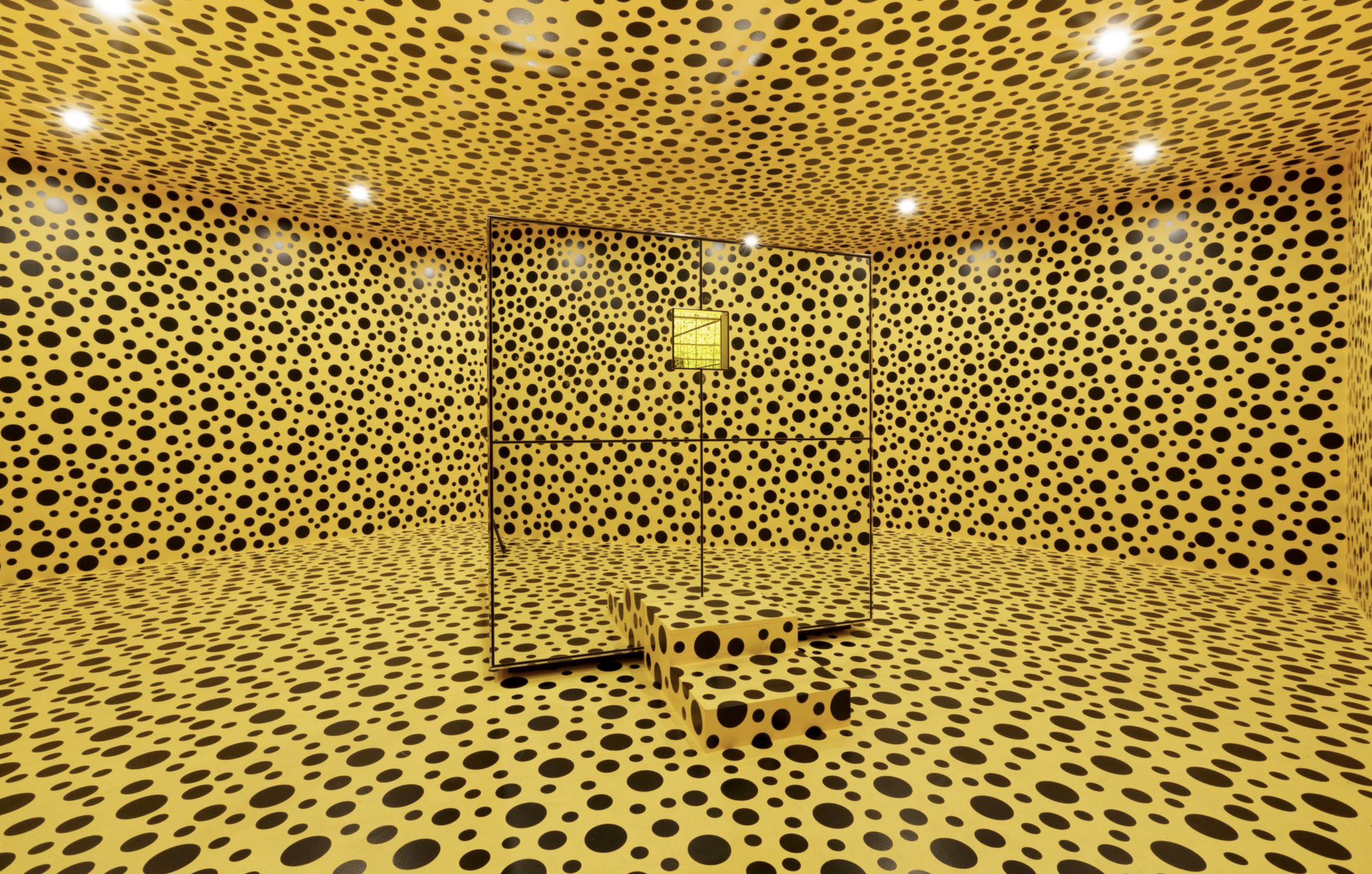
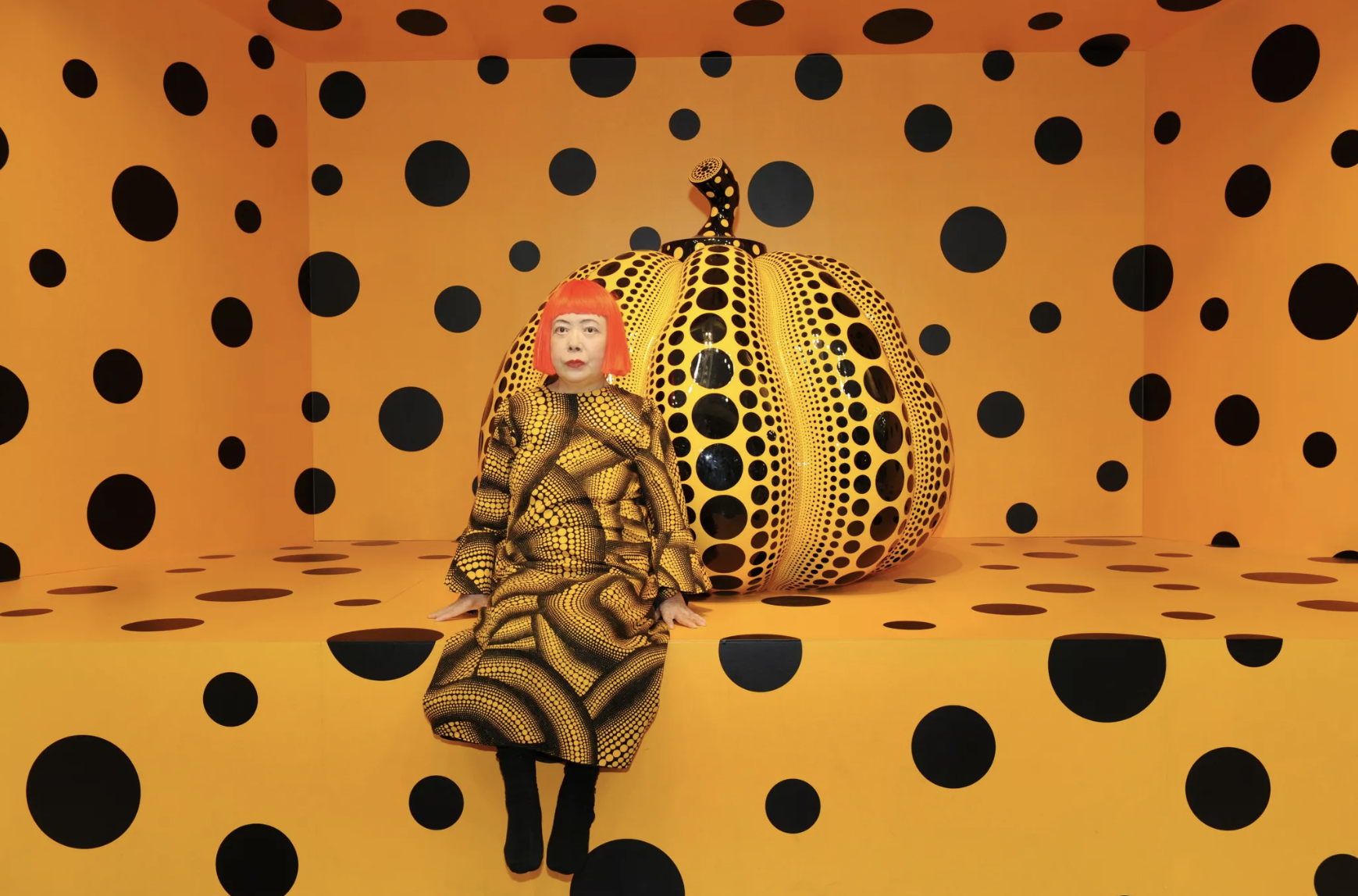
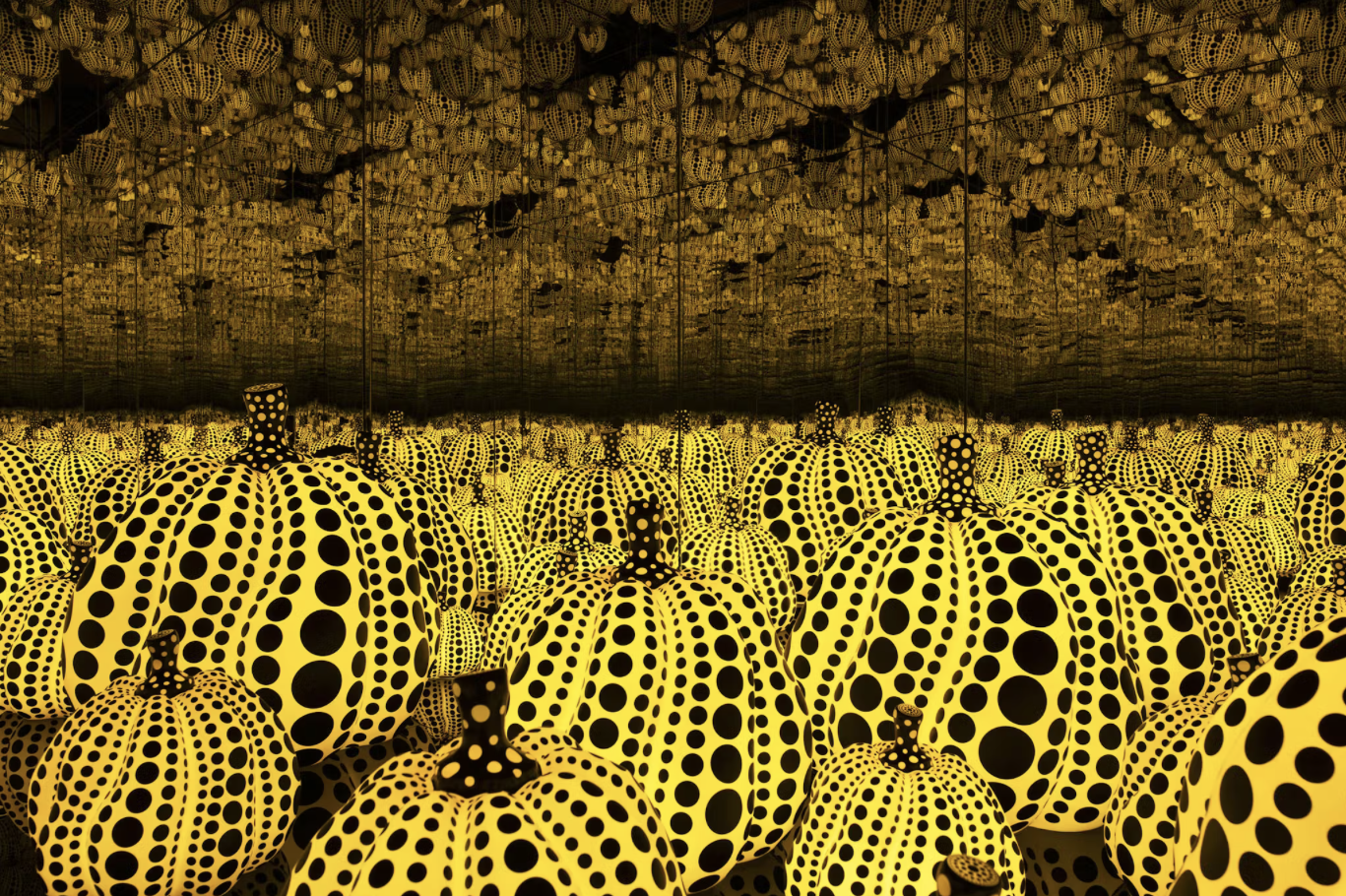
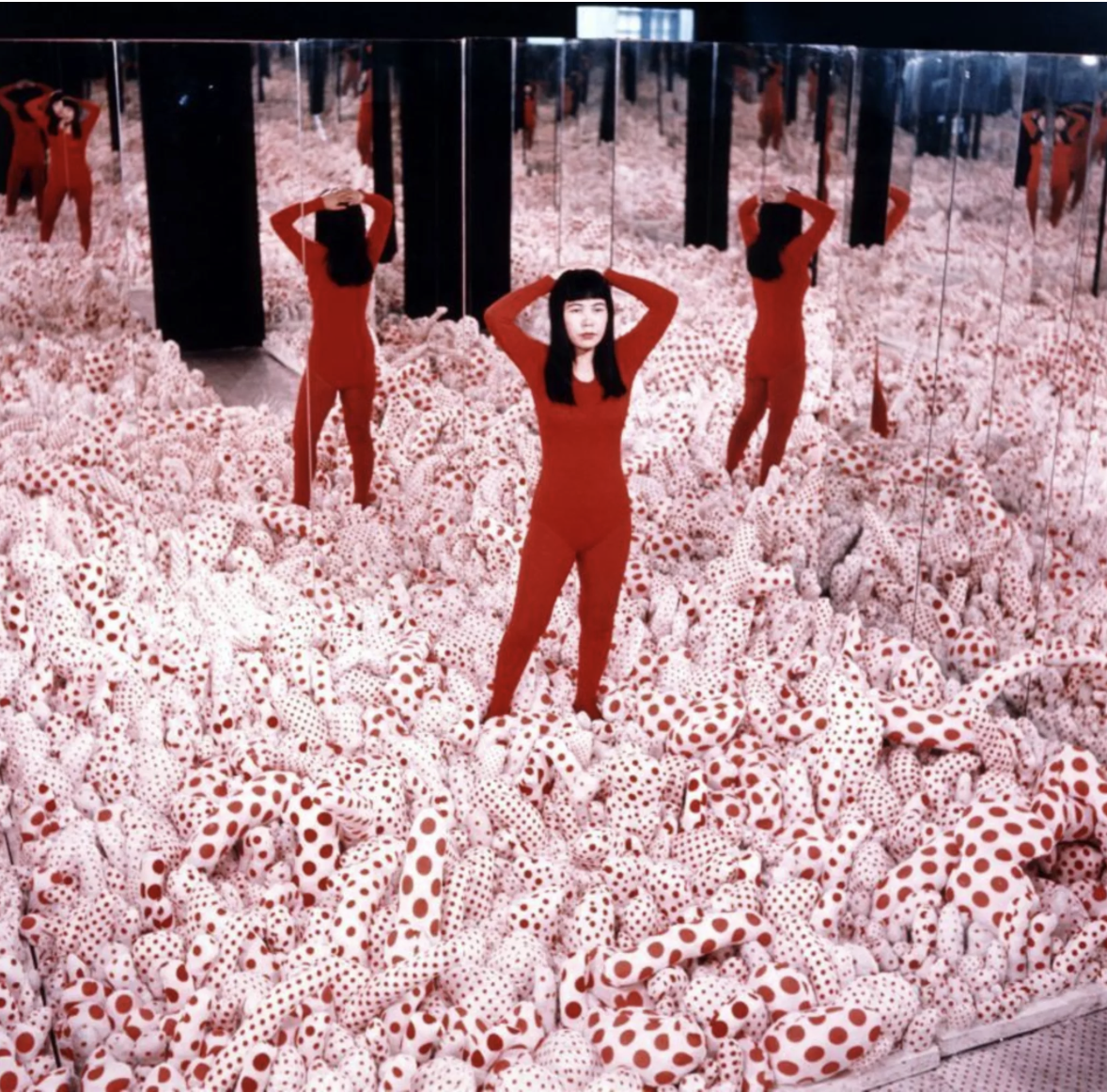
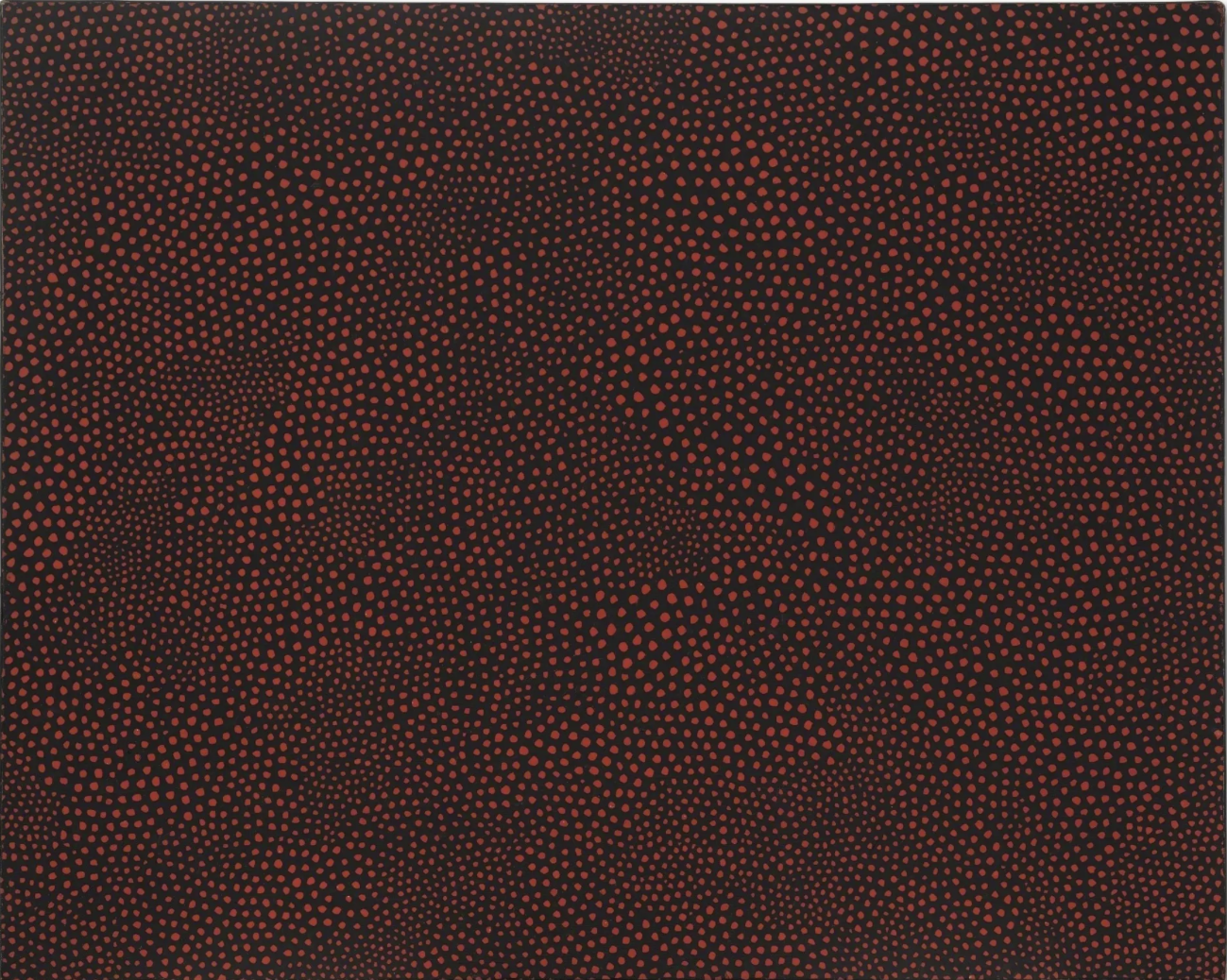
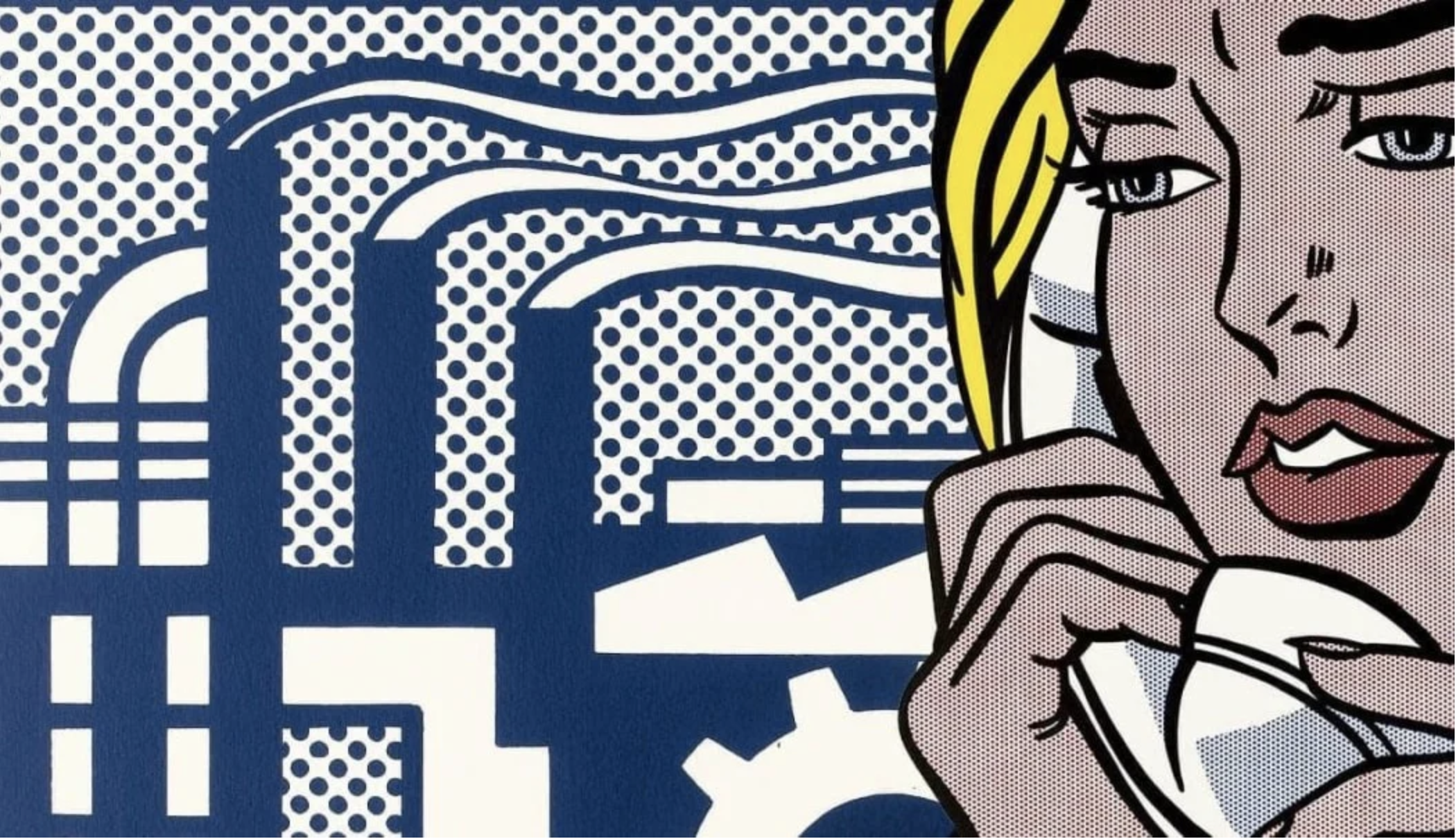
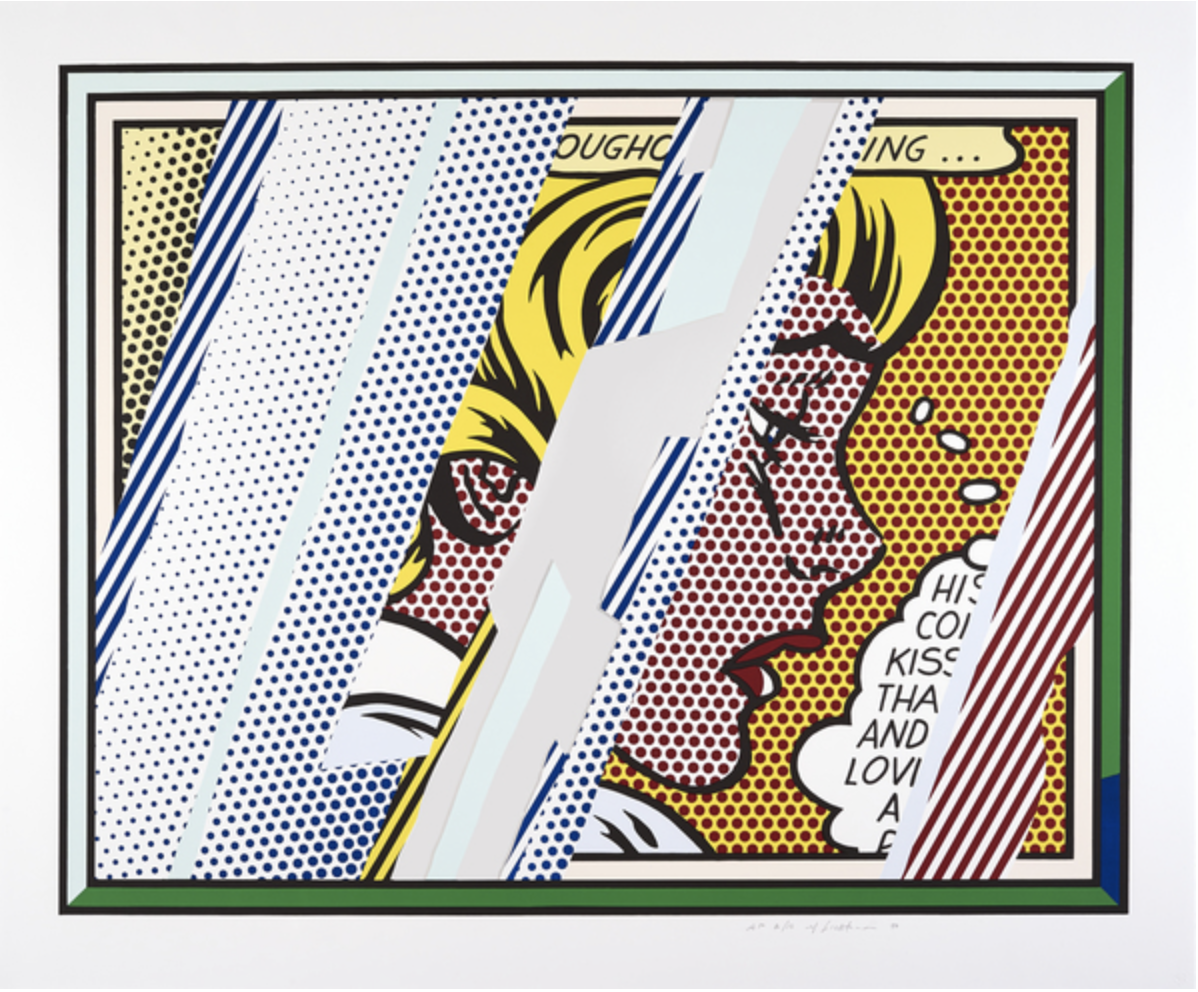
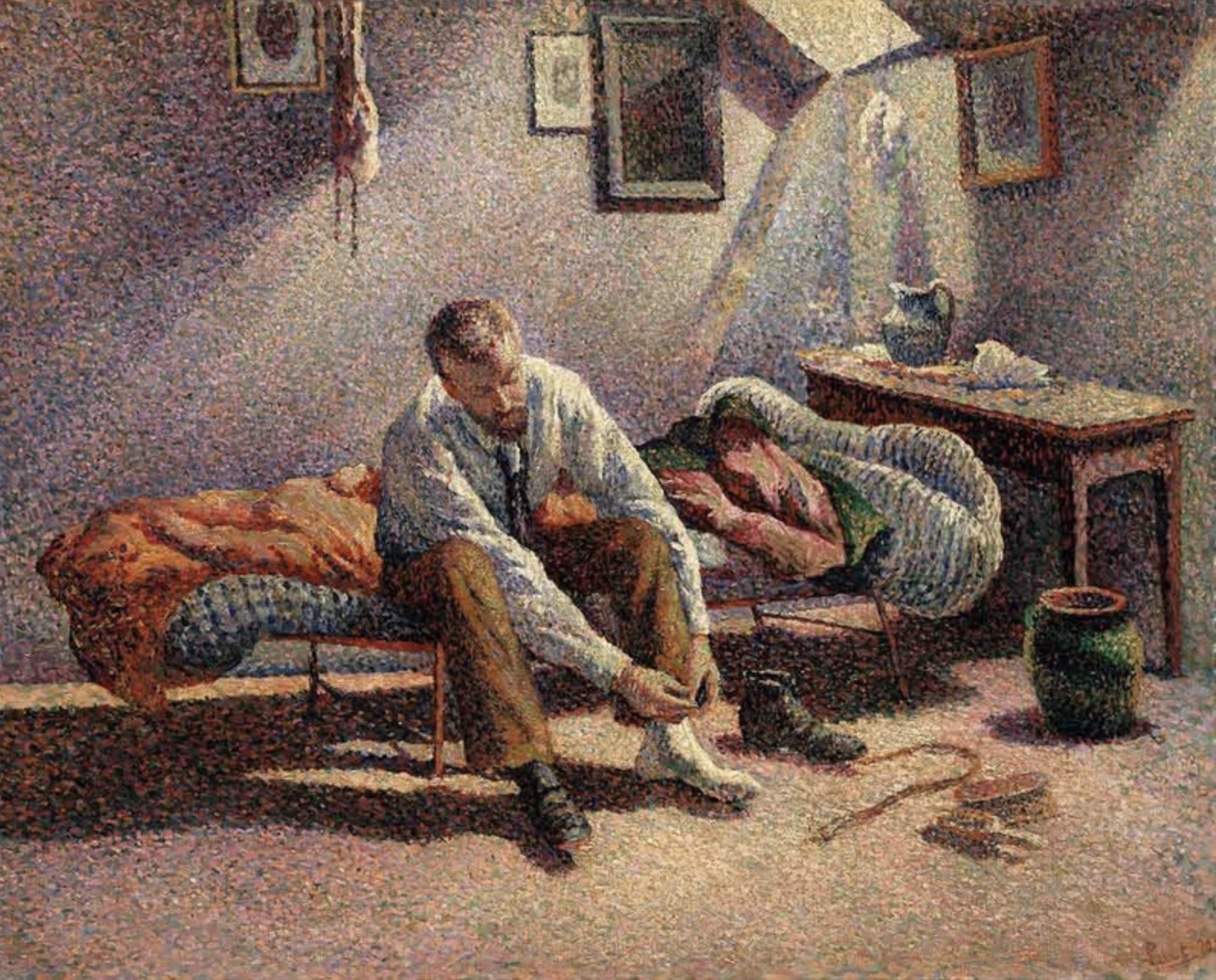
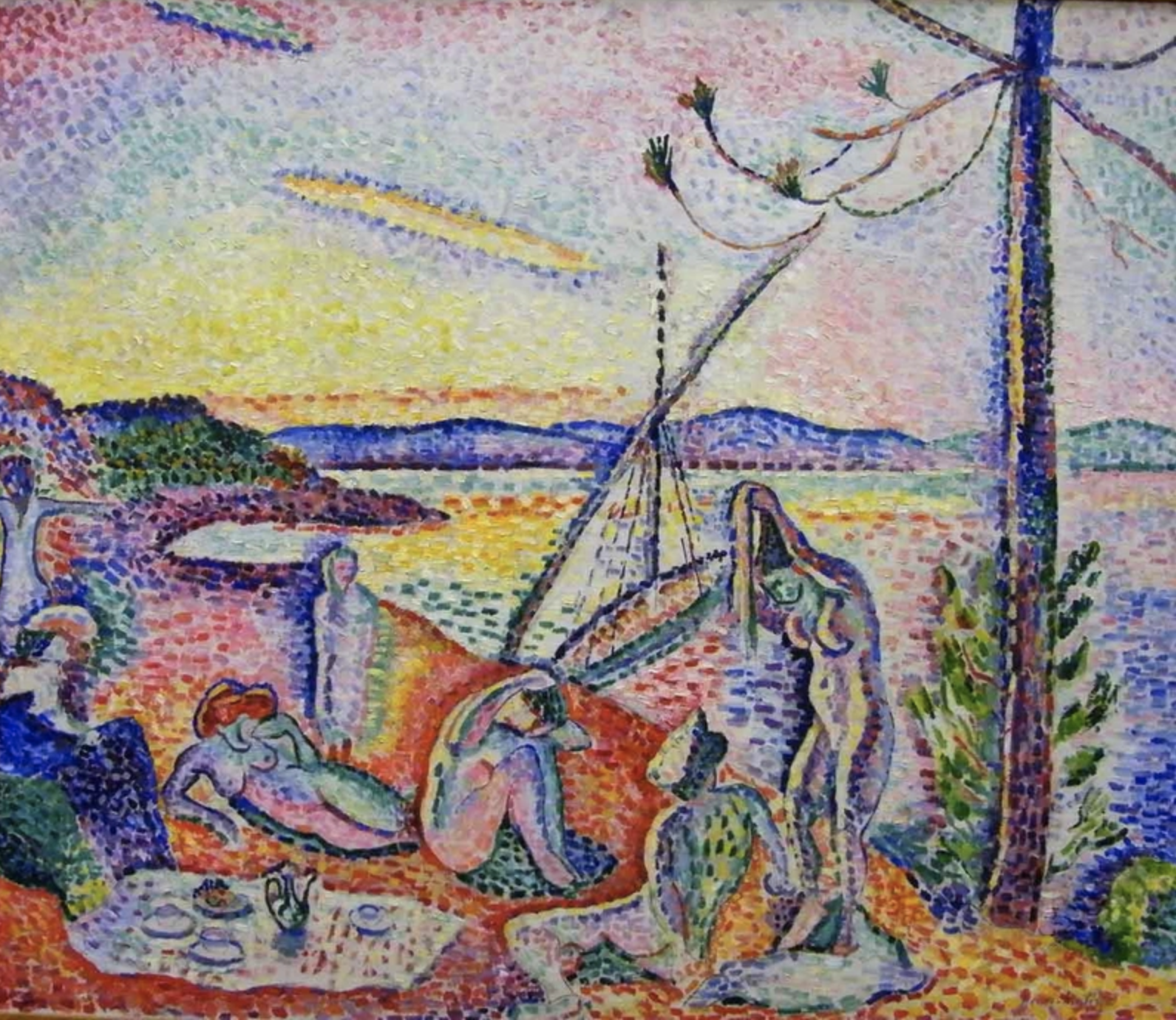
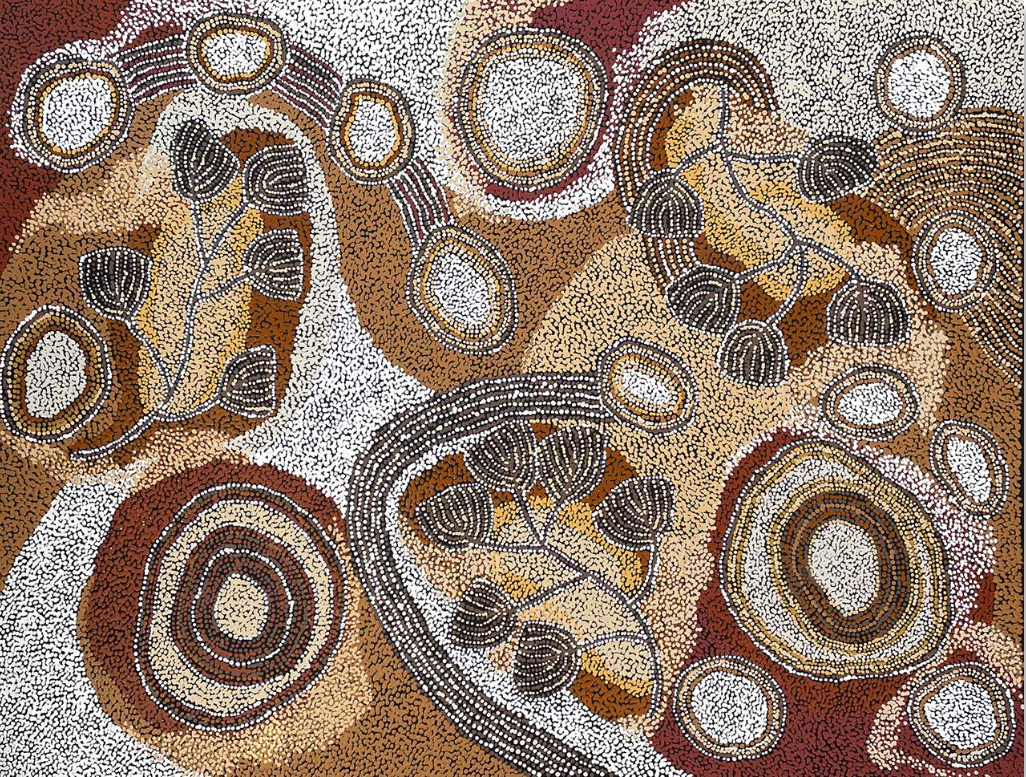
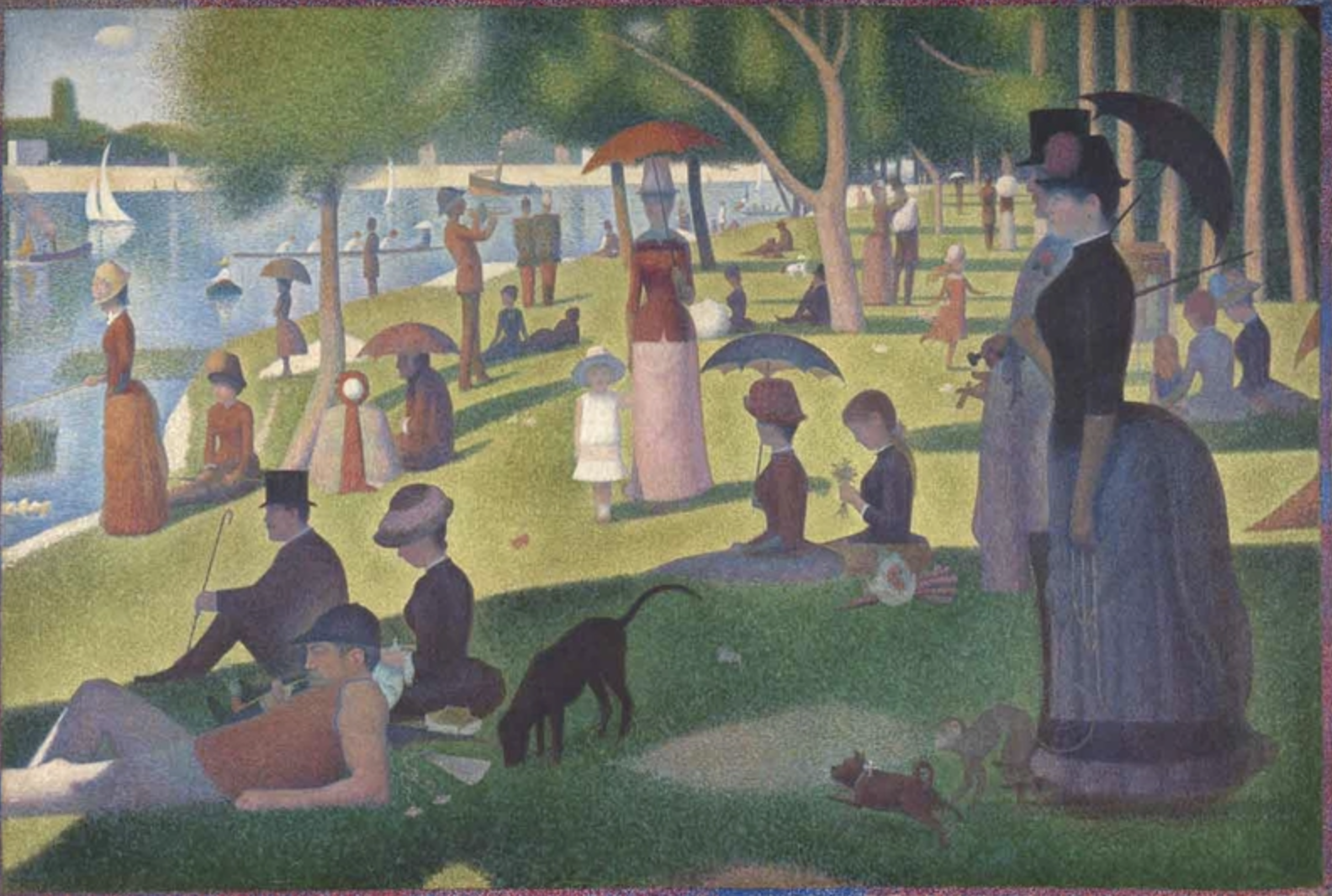
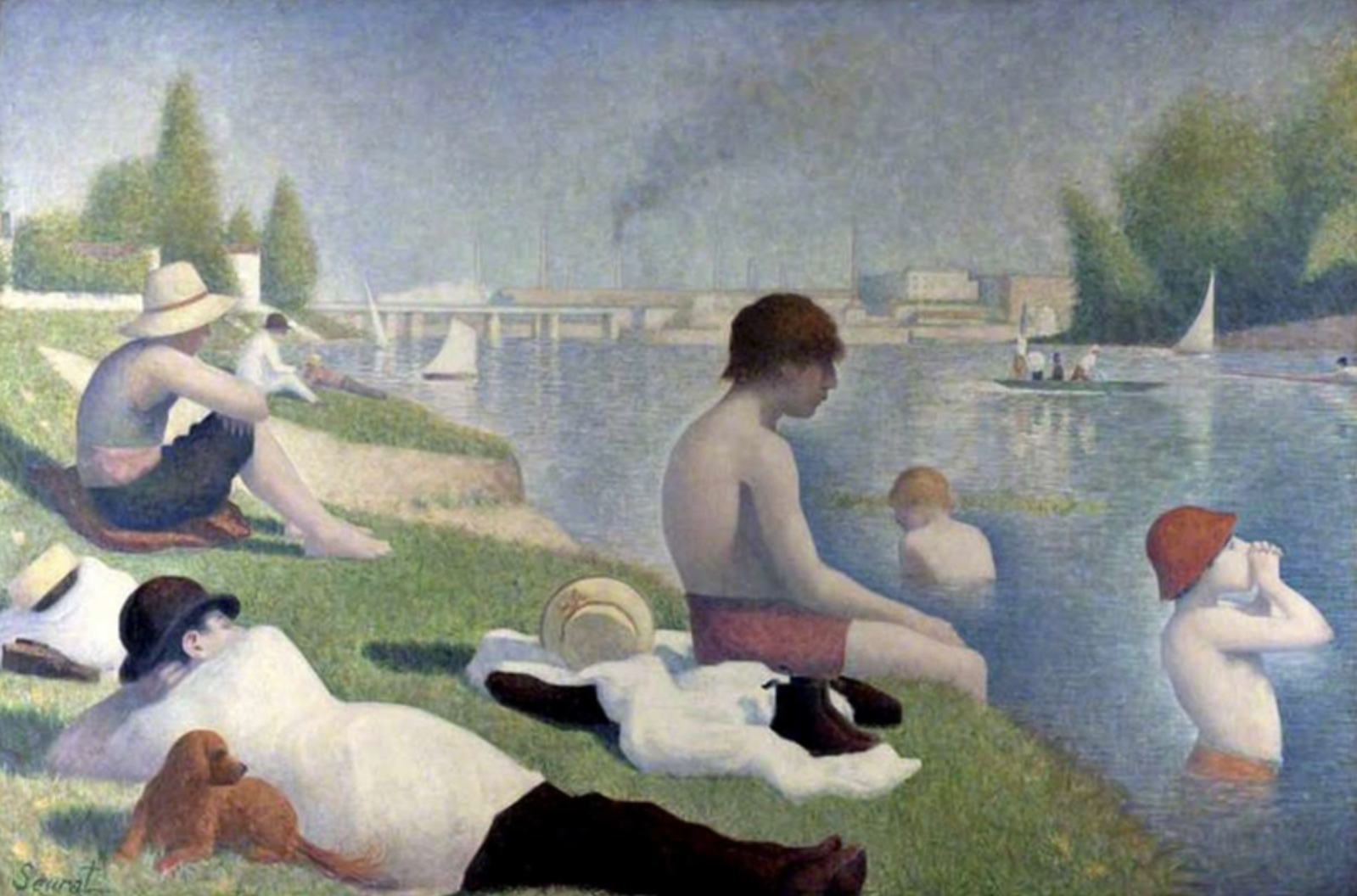
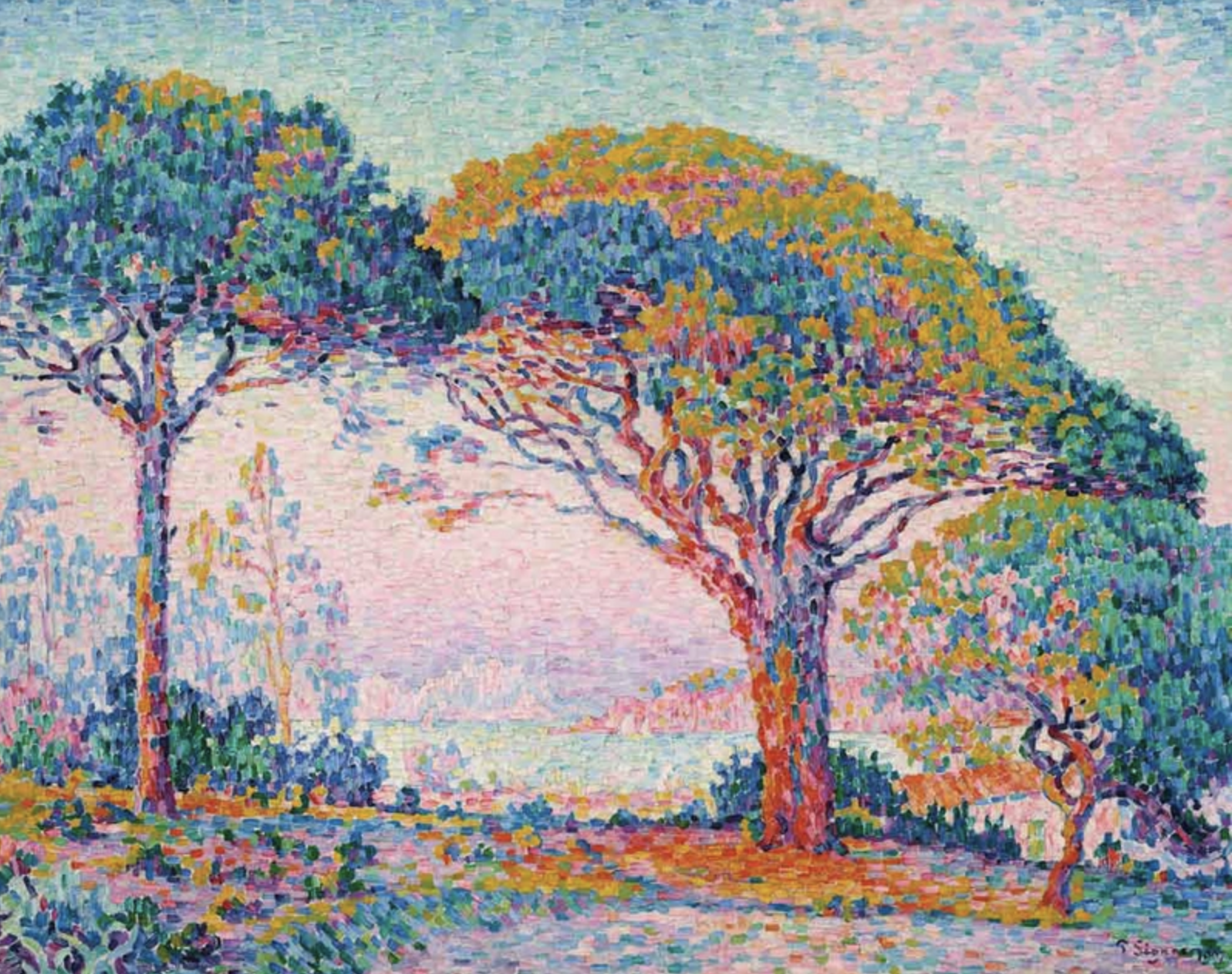
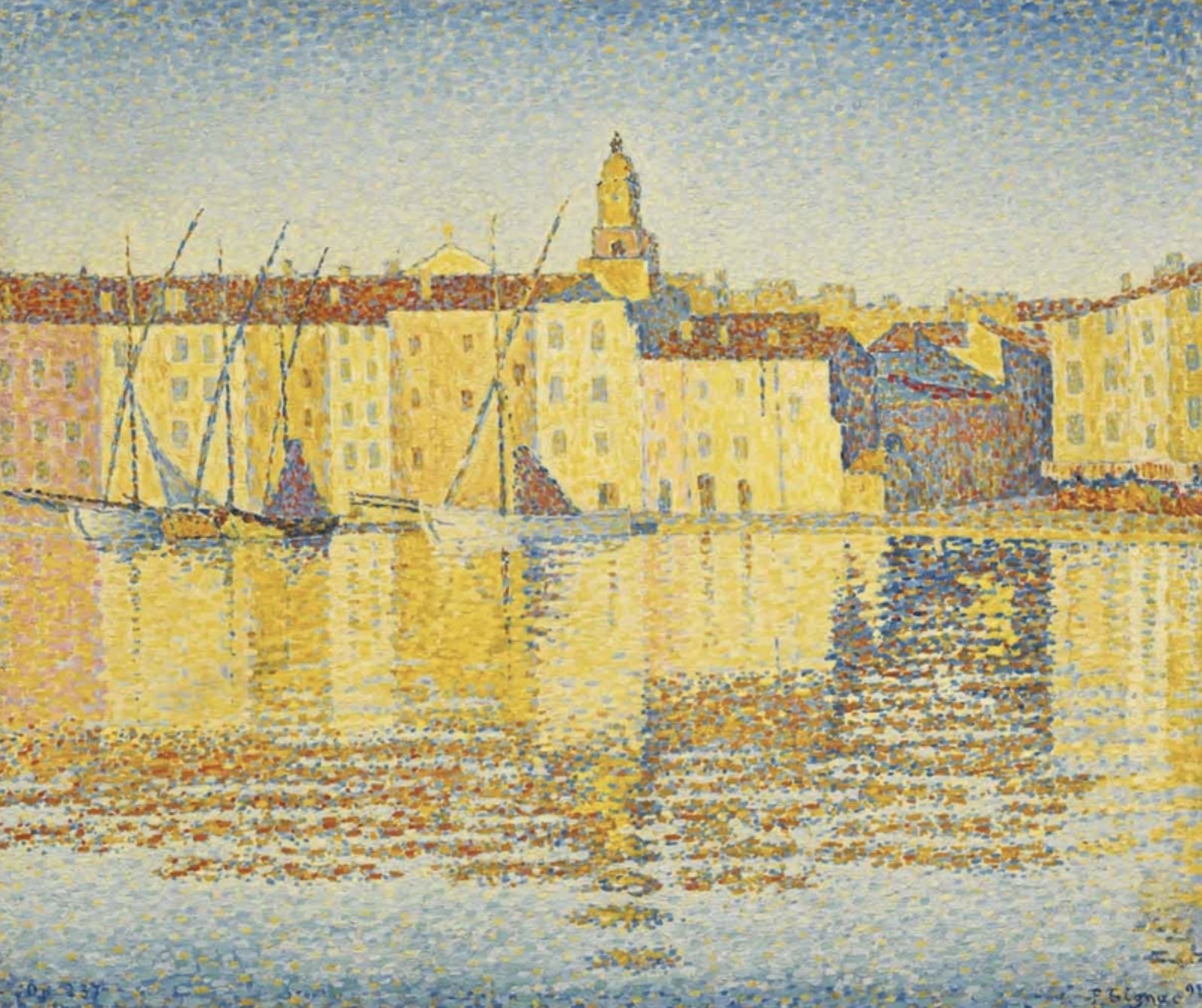
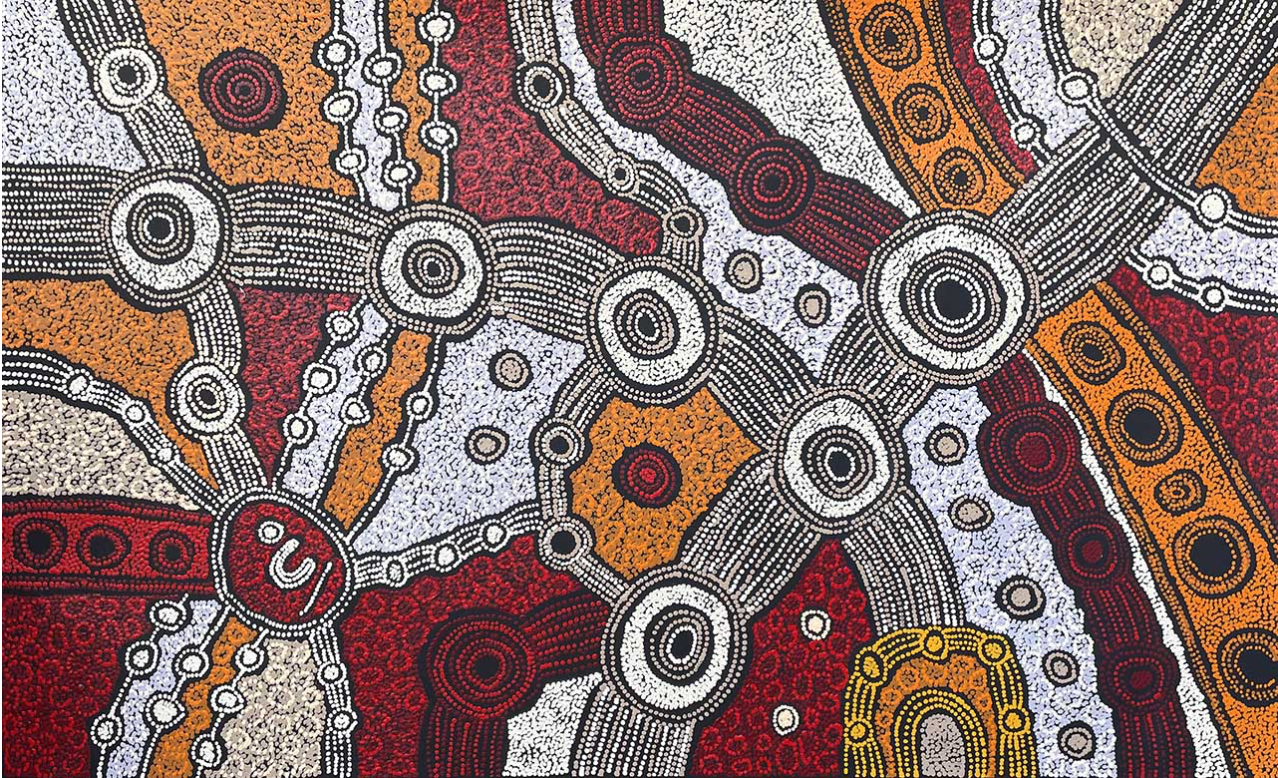
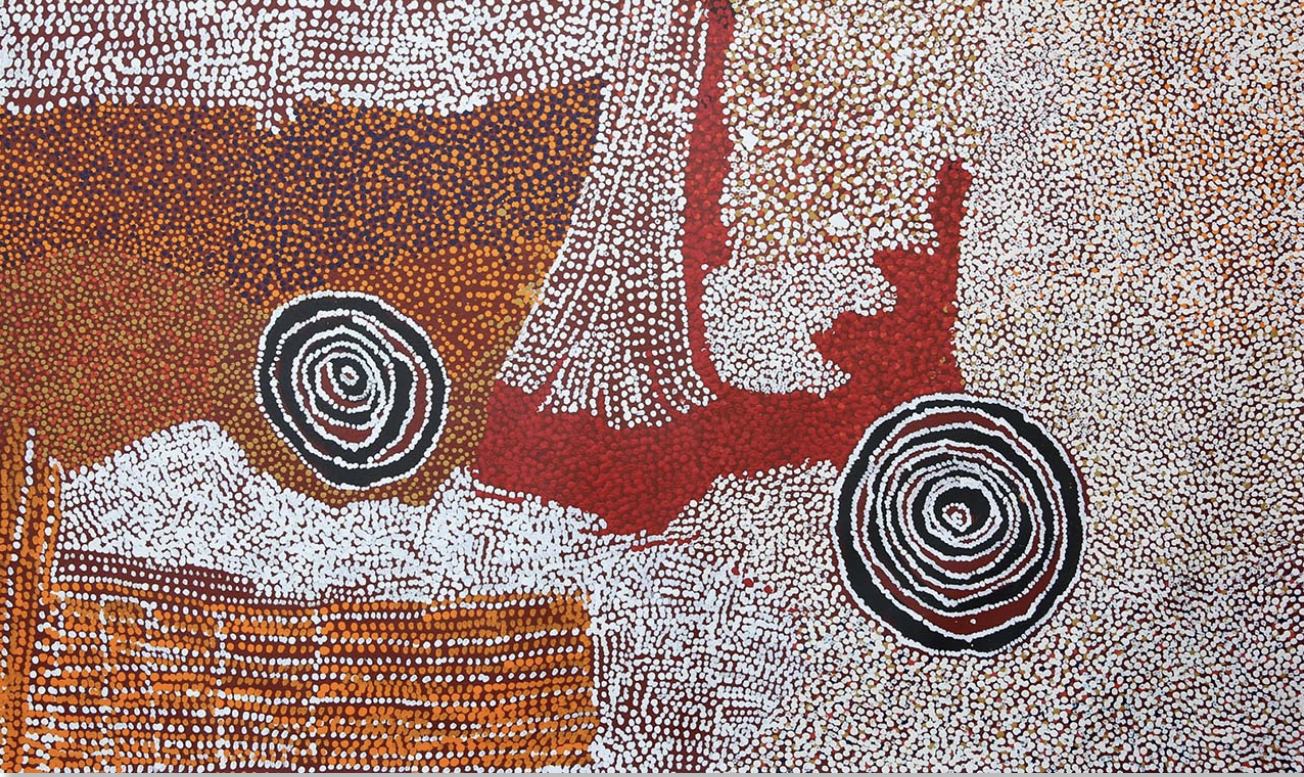
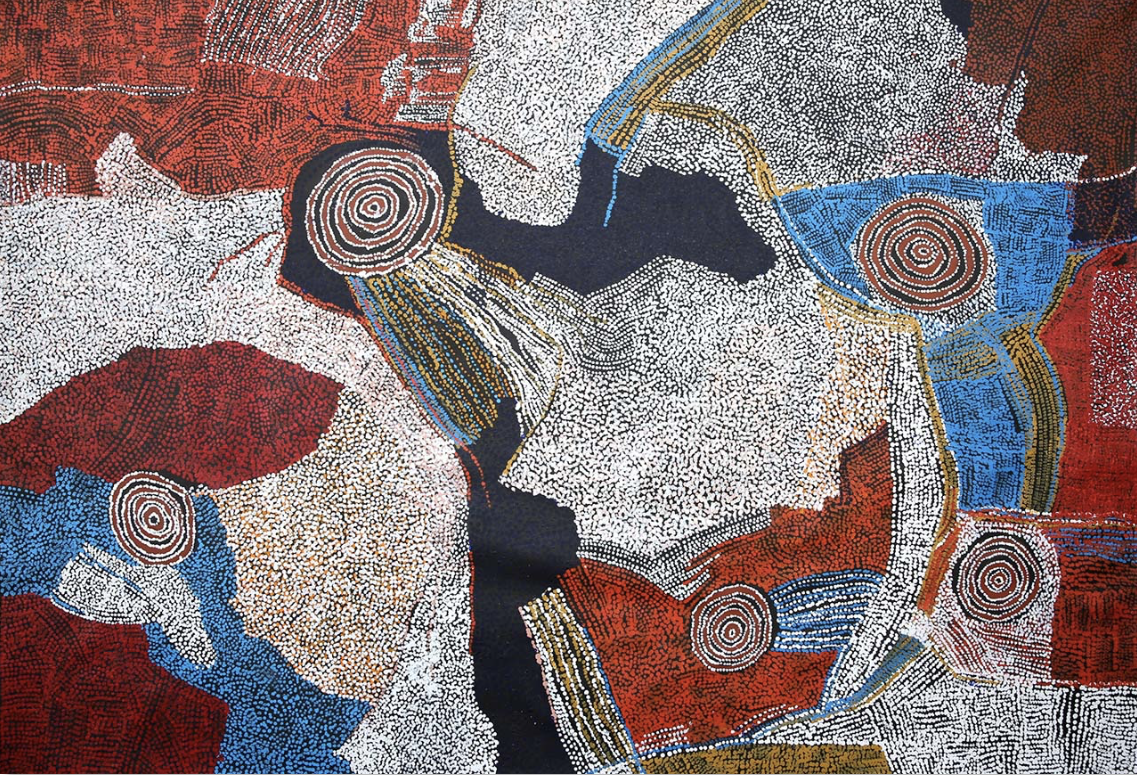
Dots in art refer to the use of individual points or dots to create an image, a technique known as pointillism in painting and stippling in drawing and ink work. Pointillism applies small, pure color dots to a surface, relying on the viewer's eye to optically blend the colors into a complete image. Stippling creates value and form through the density of dots, with closer dots appearing darker. Beyond technique, dots also hold cultural significance, appearing in ancient art like Aboriginal Australian dot painting
Dots in Aboriginal art serve to obscure secret and sacred cultural information from outsiders and the uninitiated, acting as a protective mechanism for deeper knowledge and stories. This "over-dotting" technique was also used to in-fill designs and protect the sensitive parts of ancestral Dreaming stories, which are passed down through generations. The dots can represent various natural elements or symbols, but their primary function is to safeguard cultural knowledge while still allowing for the public sharing of less sacred aspects of the story. Purpose of the Dots Protecting Sacred Knowledge: The most significant role of dots is to conceal religious ceremonies, secret initiation rituals, and spiritual information from those who do not have the cultural authority to know it. Disguising Iconography: The dots are used to "over-dot" symbols and images that hold profound cultural or spiritual meaning, making the sacred elements invisible to the untrained eye. In-filling Designs: Dots can also be used purely for decorative purposes, filling in areas of the artwork to create patterns and visual appeal. Representing Natural Elements: The dots can represent various aspects of the land, or Country, such as stars in the night sky, sparks from a fire, or tracks left by animals. Mapping Country and Ancestral Links: In some contexts, the dots can also function as a form of mapping, signifying ancestral journeys, connections to the land, and sacred sites.